RV Slide Out Repair Cost: What the Service Desk Quotes and Why
By Lorna Vick · September 27, 2026 · updated October 2, 2026
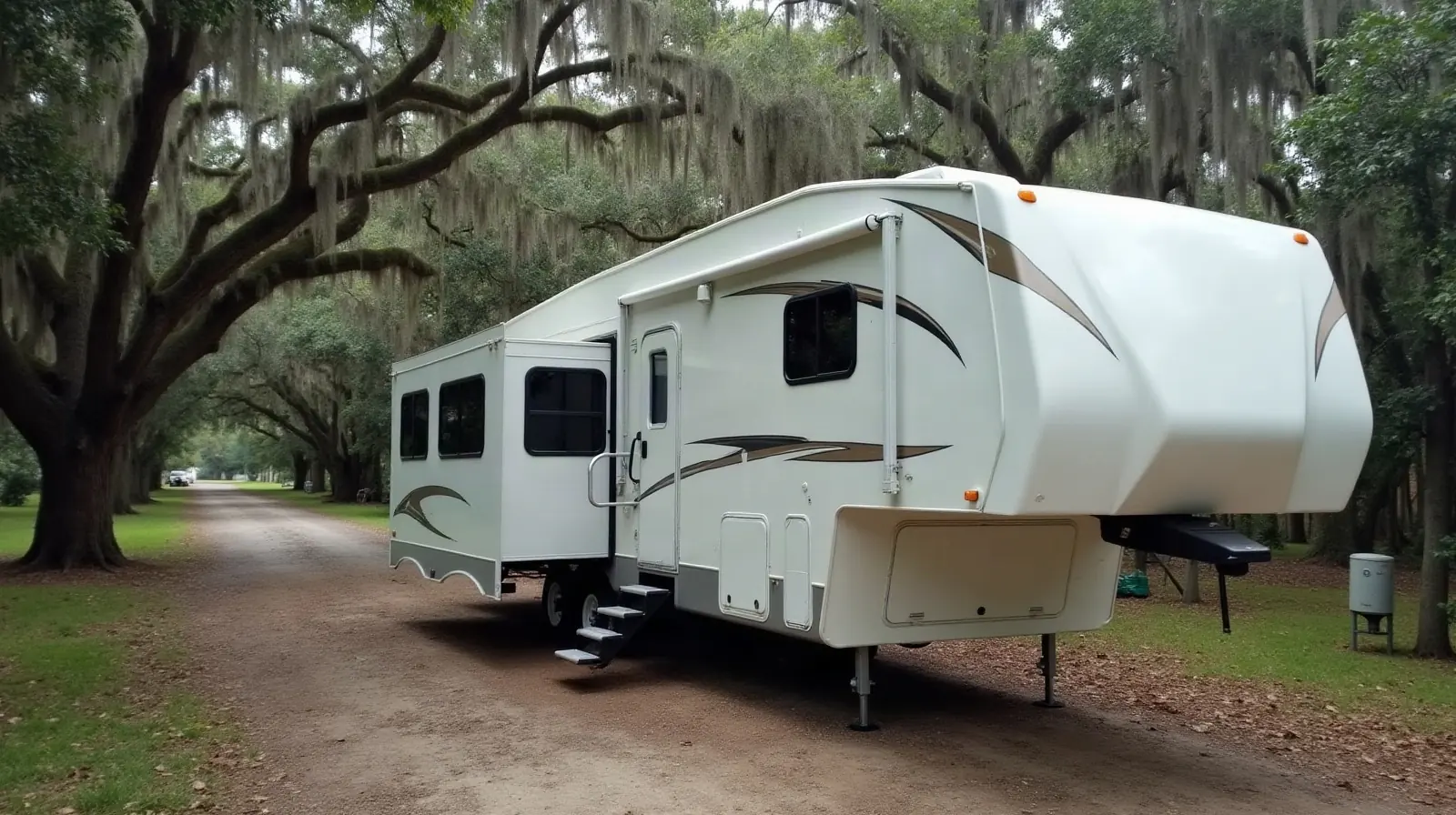
The first time my own slide-out crawled, I was at a Florida state park on a Friday afternoon, not far from RV repair shops in Tampa. Battery voltage at the tongue was 11.9. The room moved an inch, stopped, whined, moved another inch. I plugged into shore power, waited forty minutes, and the slide pulled in fine. Right then I learned half the slide-out “repairs” quoted at a service desk are really dead batteries in disguise. That’s the first thing to know about RV slide out repair cost: it might be zero if you just need a charge.
I spent twelve years behind the counter at a Gulf Coast dealership writing work orders for slides that wouldn’t budge. I’ve quoted the easy fixes and the rotten-floor gut punches, and I know why the same job can be four hundred or four thousand dollars. If you’re pricing an RV slide out repair cost, knowing the mechanism and the first five free checks can save you a tow bill and a diagnostic hour. Start by looking up a few RV repair shops in Tampa or call a mobile tech, then read what follows so you can ask the right questions.
Why the mechanism drives the labor hours
Slide-outs come in four common flavors, and each one steers the quote. Rack-and-pinion (through-frame) setups use a long toothed bar under the room driven by a 12-volt motor and gearbox. Cable systems use a motor in the ceiling or wall that pulls cables attached to the room corners. In-wall track systems have a motor on each side that ride on a rail, and they can go out of sync. Hydraulic slides use a pump and rams, mostly on big Class A and fifth wheel coaches.
At our shop, a cable slide motor paid about 1.5 hours book. An in-wall reset took half that. A bent rack on a through-frame slide started at four hours. Ask which one they’re quoting.
Lubrication matters, and some owners do more harm than good. Some in-wall systems must never be greased, because grease collects grit. Check the manufacturer’s chart before you spray anything.
A slide that won’t move may be electrical, not mechanical. If the room is racked, don’t force it. Crush injuries are real. Keep peopel and pets clear.
What a slide-out repair actually costs
Here’s the range I quoted most weeks, for parts and labor at a dealer service department with a shop rate around $150 an hour:
| Repair | Typical cost range |
|---|---|
| Wiper and bulb seal replacement, one slide | $300 to $1,000 |
| Slide motor (part and install) | $500 to $1,500 |
| In-wall motor or controller | $300 to $1,000 |
| Slide topper fabric (installed) | $300 to $900 |
| Rotted slide floor or bent mechanism | $1,500 to $5,000+ |
| Frame repair from a racked or wrecked slide | $10,000+ |
Those are ranges, not quotes.
Always get a a written estimate before work starts and ask for a call before anything exceeds it. Parts ETAs can stall a job for weeks; ask what’s in stock and what’s on backorder. If you’re in Florida and the local shop is booked out a month, pull up RV repair shops and mobile techs across Florida and call two of them for numbers.
The free checks that beat a diagnostic fee
At the counter I couldn’t always say so, but here’s what the tech was checking when we charged you an hour to “diagnose” a slide that wouldn’t move.
- Battery voltage. Plug in or run the generator, let the battery charge, and try again.
- Fuses and breakers.
- The switch itself.
- Obstructions. Look inside, outside, and on the floor track. A forgotten shoe or a tree branch can stop a slide and burn a motor.
- Manual override. The book shows where to insert the crank or socket. Run it a few turns out and back in before you call a tech.
If the room is racked, one side out ahead of the other, don’t force it. In-wall systems often have a re-sync routine on the controller: press the button and follow the flashing lights. That reset costs nothing and saved more than one customer a four-figure repair at my counter.
I found a helpful video that walks through troubleshooting an in-wall slide, so you can see what the tech is checking.
Water damage turns a slide repair into a floor rebuild
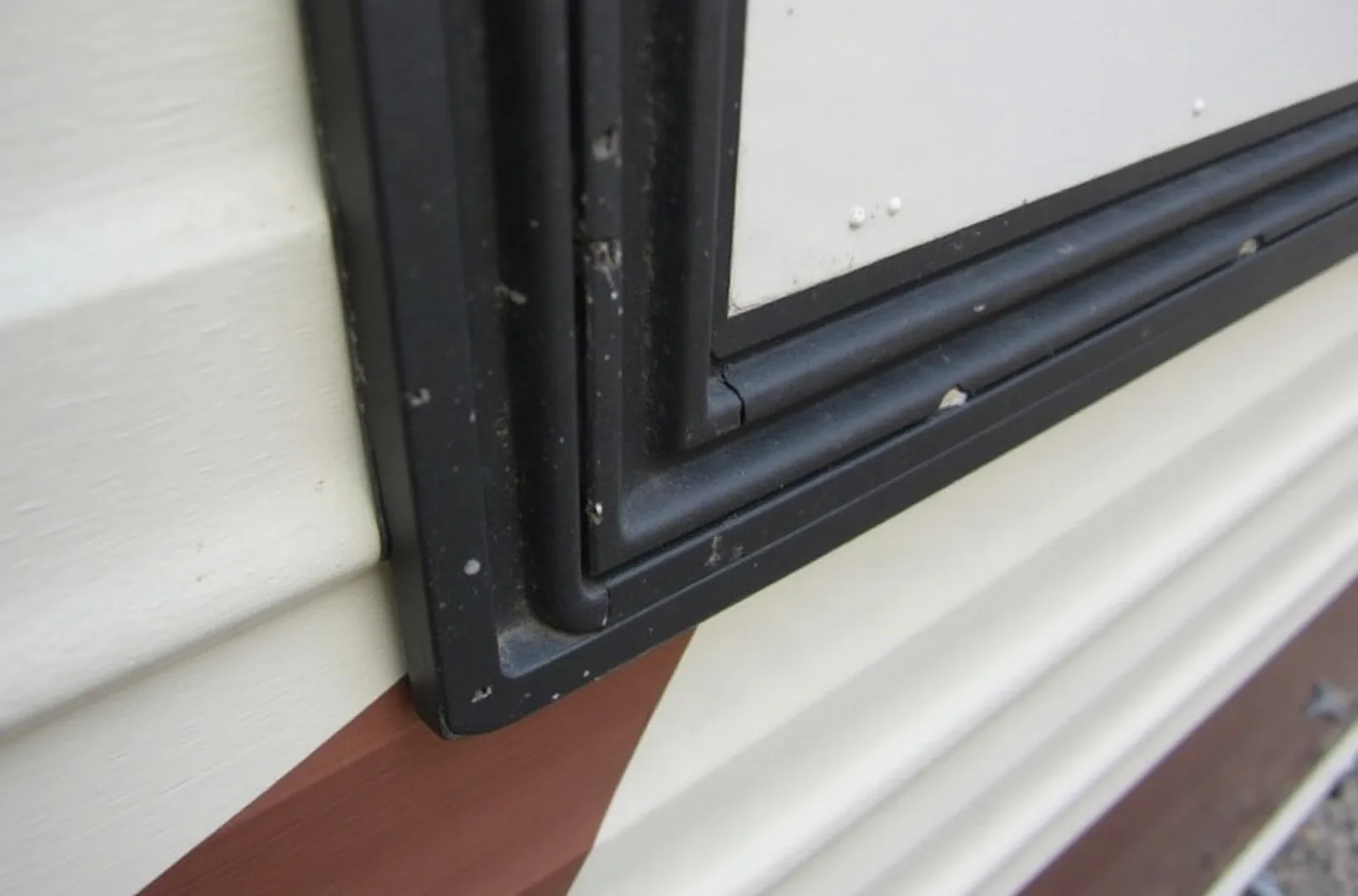
Slide seals fail quietly. You won’t notice untill the carpet is wet or the floor feels soft at the edge of the room. Then the slide has to come out, the flooring comes up, and the labor hours pile on.
I wrote one work order for a customer who drove in from the interstate shoulder with the slide stuck half out and a wet carpet inside. He said the repair hurt less than the tow bill.
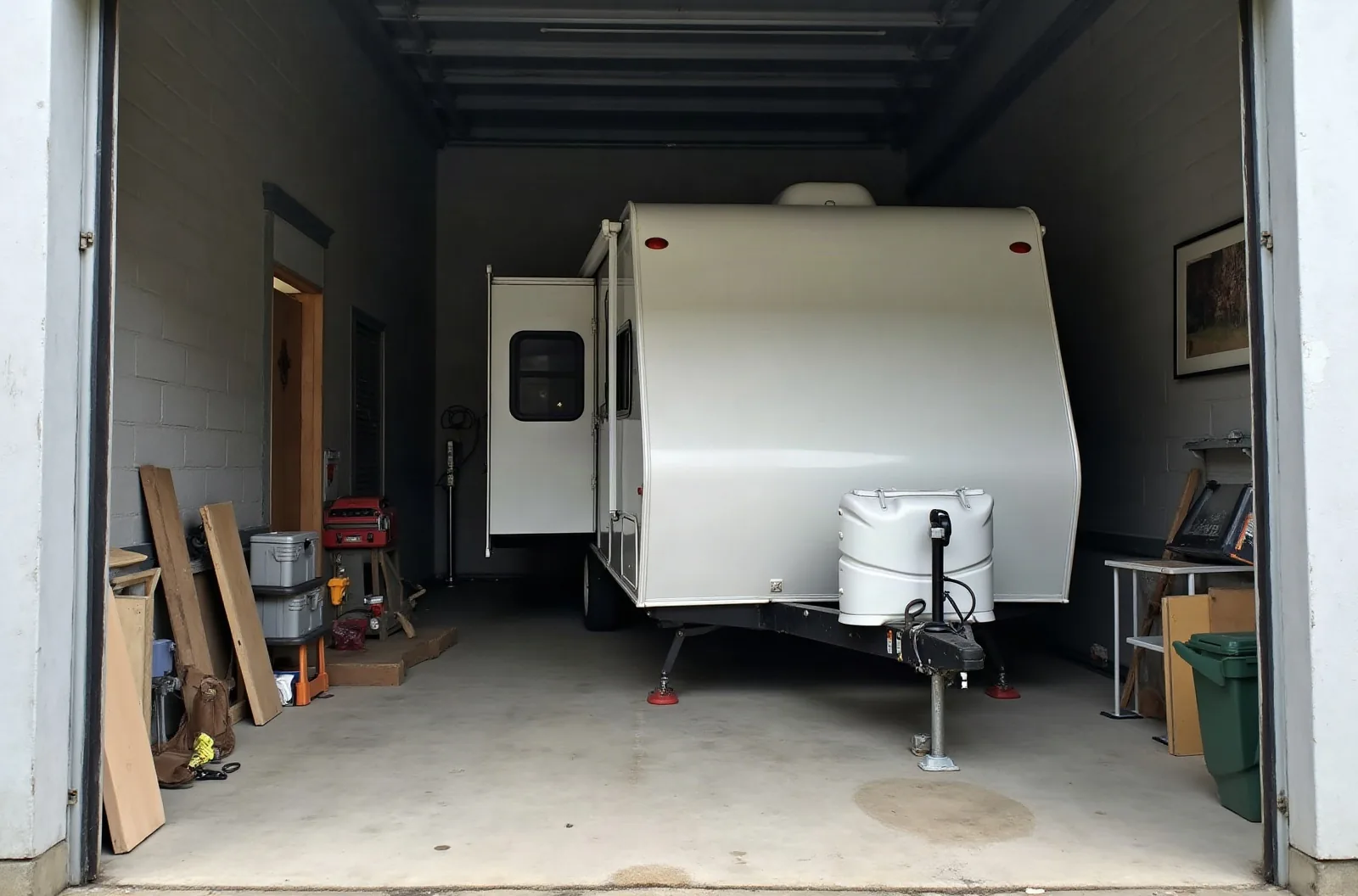
Prevention is dull but cheap. Treat the seals with a conditioner twice a year, keep the topper fabric taut, and check the topper arms for splices and cracks. If you find water, don’t just dry it. Read our RV water damage floor repair cost post for what a soft spot really means. And if the slide is already leaking, find a shop with a tall bay door and a dry place to open the room.
How the service writer turns an estimate into a work order
The tech gets the rig in the bay and the clock starts at one hour diagnostic, $100 to $200. If the fix is a fuse, you pay the diagnostic and the part, about $150 total. If it’s a motor, the estimate becomes $500 to $1,500 with parts and labor.
Shops quote from a flat-rate labor guide or actual time. Flat-rate is predictable but can be padded. Actual time is fair but variable. Ask which. Ask for the old parts back. Ask the shop to call you before exceeding the estimate. Many states have auto-repair consumer rules about written estimates, but the rules vary a lot, so get it in writing.
Spring is the worst time to need a bay. Dealers book out weeks, and they put warranty work and their own sold units first. Parts on backorder add more weeks. If you can, schedual slide work in fall or winter, when the service manager will bargain on labor. Otherwise, a mobile tech with a truck full of slide motors and seals may beat the shop on time and total bill.
Insurance: what they usually pay for slide damage
A slide repaired after a tree limb falls on it is usually covered under comprehensive, minus the deductible. A slide motor that burns out because the battery was low and the room was forced is mechanical breakdown, and it’s usually excluded. Long-term water intrusion from failed seals is maintenance, not sudden damage, and insurers exclude it like clockwork. Extended service contracts cover listed component failures with a deductible and pre-authorization rules.
I once filed a comprehensive claim for a customer’s slide topper after a hailstorm tore the fabric. The insurer paid for new fabric and labor, less a $500 deductible. Another customer with a rotted floor got a denial letter and a copy of his seal-crack photos from the adjuster. Read the RV repair cost post for how diagnostic fees and labor rates fit the big picture.
Call your agent before you sign a repair authorization and ask the shop to write the diagnosis in the language your policy uses. That can mean the difference between a check and a punch list.
The test I wish every owner did before calling me
Take a voltmeter to your house battery tonight. If it reads 12.2 volt, plug the rig in and try the slide tommorow. You will not believe how many slide “failures” vanish with a full charge.
If the slide still won’t move, write down the exact symptom before you call: one side only, clicks but no movement, works on shore power but not on battery, works in but not out. That sentence saves the service writer five minutes and you fifty dollars in diagnostic time.
Then call two repair shops or mobile techs from our directory and ask for a written estimate with the diagnostic approach spelled out. The one who asks about your battery first is the one I’d trust with my rig.
Keep reading
FAQ
How much does it cost to fix an RV slide out?
Typical RVs slide out repair cost ranges from $300 to $1,000 for seal replacement, $500 to $1,500 for a slide motor installed, and $1,500 to $5,000 or more for a rotted slide floor or bent mechanism. Mobile techs may charge less for labor but add a $75 to $200 trip fee. Always get a written estimate before work starts.
Can I fix a slide out that won't move myself?
Often yes. Check battery voltage first; slides need a strong 12-volt supply or the motor crawls. Then check fuses, the switch, and obstructions under the room. Most slides have a manual override, and the owner's manual shows where it is. If the room is racked, don't force it; a misaligned slide can bend the frame.
Why does my slide out move slowly?
Low 12-volt battery voltage is the most common cause. Plug into shore power or charge the batteries, then try again. Other causes are a weak motor, a loose or corroded connection, or a mechanism that needs cleaning and lubrication per the manufacturer's chart. If it's slow on a strong battery, get a professional diagnosis.
How often do slide out seals need to be replaced?
Slide wiper and bulb seals typically last five to ten years, depending on sun exposure and use. Inspect them twice a year for cracks, tears, or flattening. Treating them with a seal conditioner extends thier life. Replacement runs $300 to $1,000 per slide at a shop, including labor.
Does insurance cover RV slide out repair?
Comprehensive or collision insurance usually covers sudden, accidental damage like a fallen limb or a collision, minus your deductible. Wear and tear, mechanical breakdown, and damage from long-term water intrusion are usually excluded. Check your policy language before filing a claim.
What is a slide topper and do I need one?
A slide topper is an awning that rolls over the slide roof, keeping leaves, dirt, and water off the room when its extended. Topper fabric repair or replacement runs about $300 to $900 installed. Toppers also reduce seal sun damage and water intrusion, making them a worthwhile investment for many owners.
How long does a slide out motor last?
Slide motors typically last ten to fifteen years with normal use, but low voltage and forced operation shorten them fast. If your motor runs but the room doesn't move, or it hums and stops, get it tested. Replacement parts cost $150 to $600, with labor bringing the total to $500 to $1,500.
Find RV repair near you
Compare RV service centers and mobile techs in your city, then ask a few for a quote on the job.
Browse by state