RV water damage floor repair cost: soft spots and subfloor estimates
By Lorna Vick · October 8, 2026
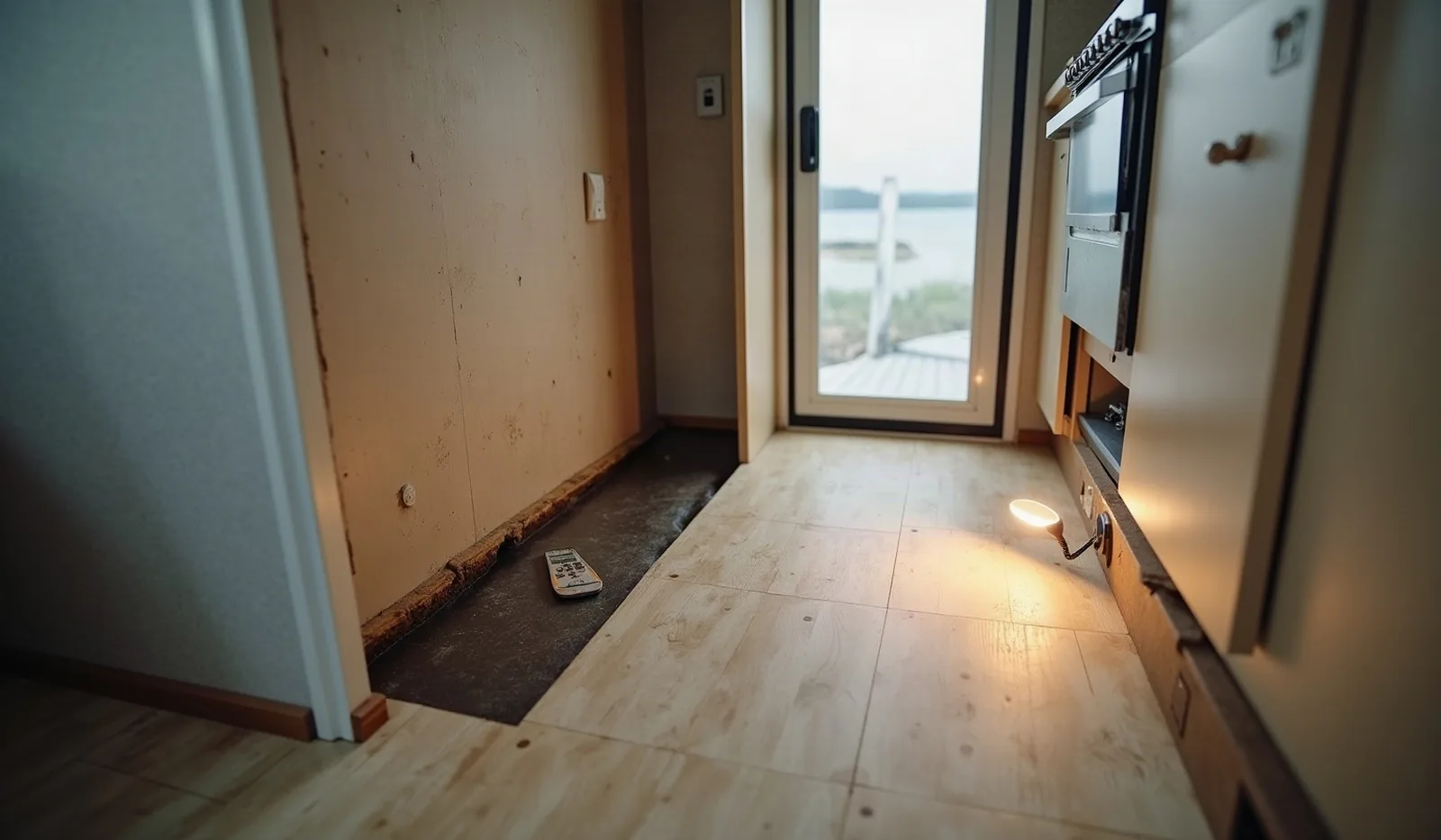
It was a hot, sticky Sunday in April and I was standing inside my 26-foot travel trailer, poking at a soft spot in the floor just inside the door. I always forget to check that one spot. The vinyl had a little bubble in it, and when I leaned into it, it squished. Not good. I spent a dozen years behind the service desk telling other people what RV water damage floor repair cost, and I knew the RV repair shops in Orlando were about to get slammed with the same thing. But now it was my floor. Find the leak, dry it out, cut out the rot, write the check. I knew the whole drill. Still hurt.
At the dealership, I saw a soft floor complaint cross my desk about twice a week in spring.
Before you spiral, get a written estimate from a local shop or mobile tech. Then come back and read this.
What does RV water damage floor repair cost?
For a small subfloor section, like the corner under the bathroom sink or that spot by the entry door, your looking at $500 to $2,000. A bigger area, like a full slide-out floor or a long wall-to-wall run, runs $2,000 to $7,000. If the whole floor has to come out, or the joists and frame are part of the job, plan on $5,000 to $10,000 or worse. Mold cleanup is extra on top of all that. Those numbers assume shop labor at $100 to $200 an hour; a mobile tech might charge a trip fee on top of the hourly rate, wich moves the total around. This table is the same one I used to quote from at the desk.
| Job size | Typical cost range | What’s included |
|---|---|---|
| Small subfloor section | $500 to $2,000 | Cut out rot, replace plywood or OSB, reinstall flooring |
| Larger area or slide floor | $2,000 to $7,000 | Bigger tear-out, possible cabinet or slide removal, new subfloor, flooring |
| Whole-floor or structural rebuild | $5,000 to $10,000+ | Full floor replacement, joist repair, maybe floor covering throughout |
| Mold remediation add-on | $500 to $2,000+ often | Dry-out, antimicrobial treatment, possible insulation replacement |
And always ask whether the estimate includes putting the furniture back. You’d be surprised how many shops leave that out.
Where the water comes from, and why you fix that first
Water on an RV floor almost never starts at the floor itself. It comes in at roof seams, windows, slide seals, a weeping plumbing fitting or a line that froze.
On my own trailer, the leak was the slide-out corner. The wiper seal had a rip I never noticed, and water had been wicking under the slide floor. By the time I felt the soft spot, it had already spread under the linoleum. Any shop that skips the source is just selling you next year’s repeat job, so before you tear into the floor, read up on how to repair RV roof leaks. A decent tech hunts down the water source first. If you’re around Tampa, look at RV roof repair in Tampa and have the roof checked while the floor is already open. Cheaper to do both at once than to wait for the next soft spot to show up.
How to find the full extent of the damage
You need three things: a moisture meter, your knuckles, and your nose.
When I did my own floor, the soft spot I could feel was maybe six inches across. The meter showed wet readings over two feet. I ended up cutting out twice the section I planned on. The shop rule was the same every time: find dry wood and cut a few inches beyond the bad spot into that solid material. If you’re not comfortable with that, call a tech and ask for a written quote with a moisture map. A good tech won’t eyeball it and guess.
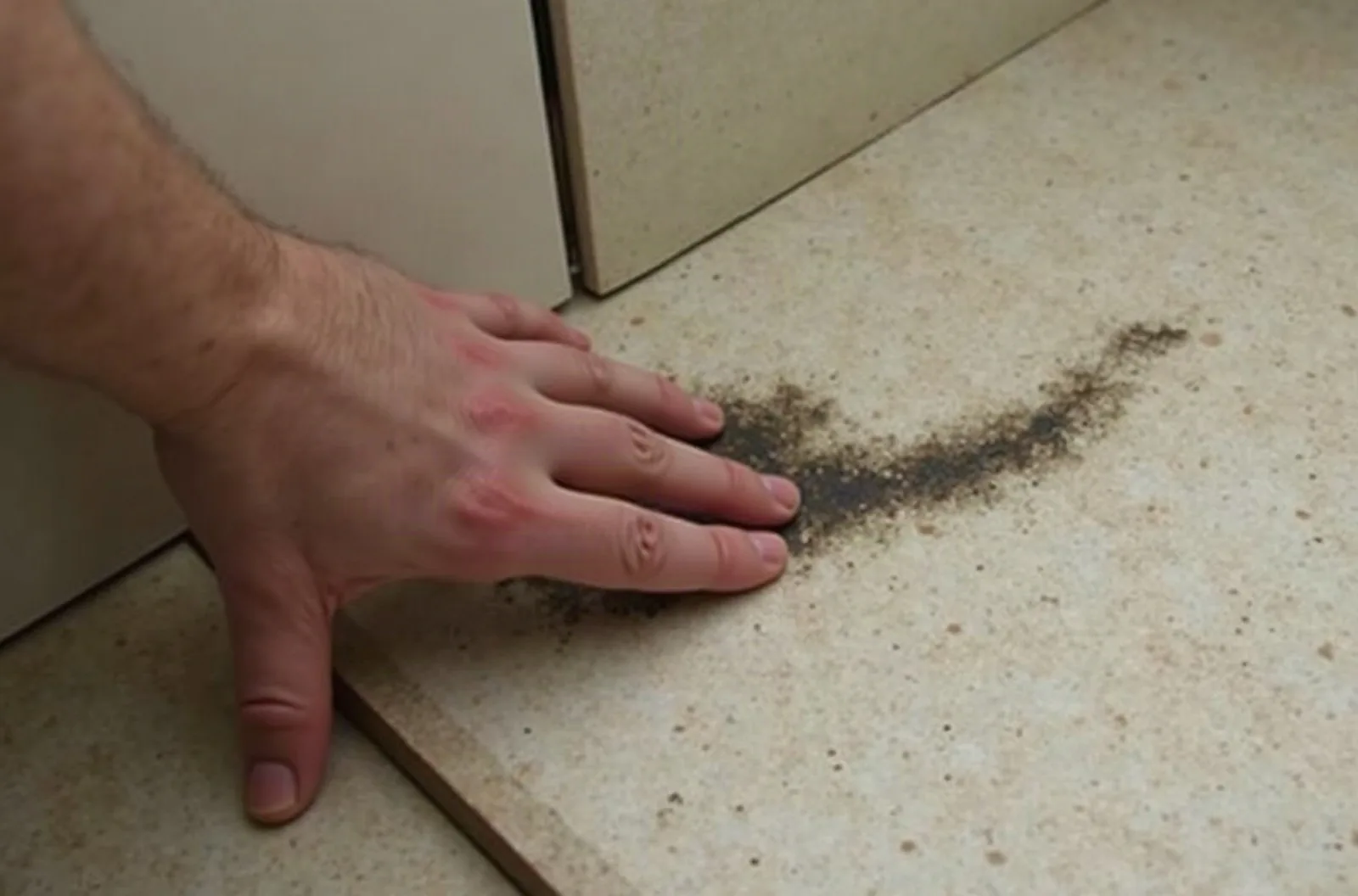
Plywood, OSB, and the laminated sandwich: why it changes the job
Most RV floors are either a sheet of plywood or OSB sitting on the frame, or a laminated sandwich with thin plywood skins glued over a foam core.
My travel trailer has the simple kind, and I’m grateful for that every time I walk into it. I’ve watched a laminated sandwich floor turn a $1,200 quoted repair into a $4,000 project because the water delaminated the foam core and then worked sideways into the surrounding skin. The quickest way to know which one you’ve got is to check the owner’s manual or pull a cabinet kick plate and look at the floor edge.
DIY small patch versus a shop: what I tell my friends
If you’ve got a circular saw, a cordless drill, and a dry weekend, you can fix a small soft spot for under $200 in materials. I’ve done it on my own rig. Twice, if I’m being honest. Cut the rot out, seal everything, screw down a new plywood patch, and lay the flooring back over it. But the moment the rot runs under a wall or into a slide mechanism, stop. That’s a shop job.
Labor is what makes these bills hurt the most. Mobile techs can do smaller floor repairs in your driveway, but they’ll add a trip fee and most of them won’t do a big tear-out in a campground. My personal rule: if this repair is going to eat more than a day and a half, the shop bay is worth it. You get roof over the rig, room to work, and the job gets done. If its a weekend-sized patch, I’ll do it myself and put the labor money toward new flooring in the kitchen.
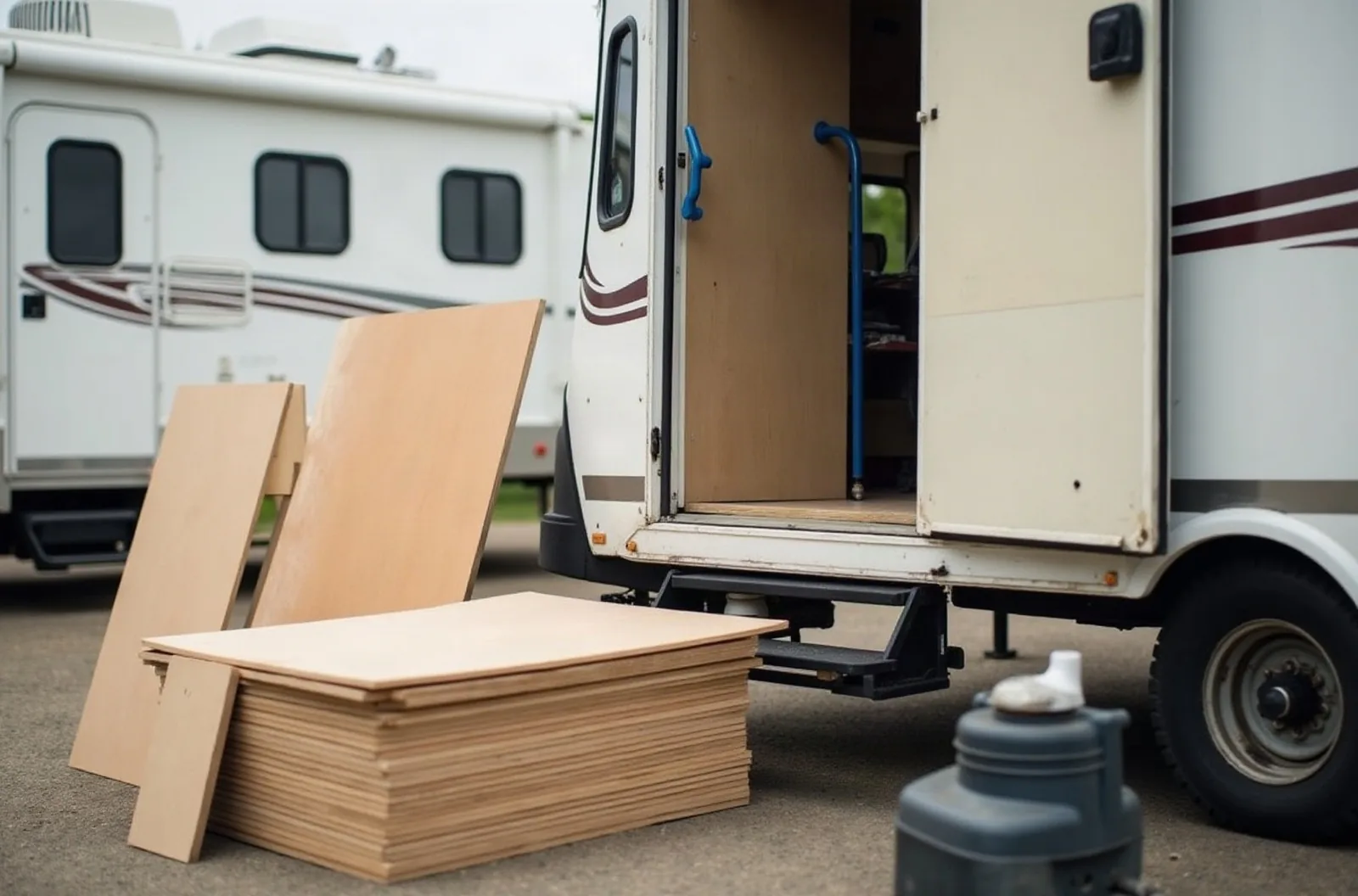
If you want to see a floor replacement done step by step, I found this video that shows the whole messy process.
Insurance, warranties, and the fine print nobody reads
Long-term water damage is usualy excluded from RV insurance, but check your policy.
I remember one Class A owner at the dealership who got a $9,000 floor claim denied becuase his policy excluded “water intrusion over time.” He was furious with us about it. But the policy language was right there in black and white. I’ve had that same awful conversation more times than I care to count. So document everything. Photos of the leak source, the moisture meter reading, the written shop report. It probably won’t flip the denial, but it gives you something to stand on if you decide to argue.
When the repair costs more than the rig is worth
I’ve written estimates for floor repairs that came in higher than the book value of the whole travel trailer. That’s a rotten moment, standing there while the owner reads the number off the page. You either sink $8,000 into a rig worth $6,000, or you sell it as a project and walk away. I’ve seen owners do both. The ones who paid for the repair usually kept the rig because the floor plan worked for them and they intended to run it for years.
Get a second estimate before you commit, and ask about the hidden stuff. If the slide has to move, cabinets have to come out, or the walls are delaminating, the price climbs fast. For a bubbly, wavy wall, read up on RV delamination repair cost before you start that fight. Sometimes the smartest move is to trade the rig in and let someone else deal with the rot.
The five-minute floor test I do every spring
Every spring, befor the Tampa humidity really parks itself over the state, I pull the rugs up in my travel trailer and walk the whole floor in my socks. I press hard along every wall, door frame, and slide corner. I’m looking for stains, feeling for give, and sniffing for that damp, closed-up smell. It takes five minutes and it has saved me a world of misery. Last year I found a soft area just starting under the kitchen sink. A $30 tube of sealant and one weekend beat a $2,000 subfloor job.
Do the same walk-through this weekend. If you feel something, don’t guess at the number. Call two shops or mobile techs and ask for a written estimate. A professional moisture meter reading costs less than guessing wrong. And when you’re on the phone, ask the one question I always wished custumers had asked me at the desk: “If you find more rot, when do you call me before spending more of my money?” The answer tells you exactly how that shop runs its buisness.
Keep reading
FAQ
How much does it cost to repair a soft spot in an RV floor?
Budget $500 to $2,000 for a small soft spot, like a bathroom corner or a 2x3 foot section. If the rot runs under a wall or slide, the cost jumps to $2,000 to $7,000. Whole-floor rebuilds start around $5,000. The price depends on labor, subfloor thickness, and whether cabinets or the slide have to move.
Can I fix an RV floor soft spot myself?
Yes, for a small, contained area. Cut out the rotted subfloor back to solid wood, install a new plywood patch, seal the edges, and replace the flooring. Materials run $50 to $200. Don't DIY if the damage is larger than a couple square feet or touches a joist, wall, or slide mechanism. That needs a pro.
Will RV insurance cover water damage to the floor?
Usually not for long-term leaks or rot. Insurance usually covers sudden, accidental damage like a storm, a fallen branch, or a plumbing accident, minus your deductible, but check your policy. Slow seal leaks and moisture intrusion over months are typically excluded. Check your policy for the exact exclusion language before filing a claim.
What causes a soft floor in an RV?
Water from a roof leak, faulty window or slide seal, a plumbing leak, or a frozen line seeps into the subfloor. The plywood or OSB absorbs water, swells, and rots. The soft spot is the result of that hidden water damage. Always fix the source of the leak before repairing the floor.
How do I find hidden water damage in my RV floor?
Press firmly along walls, doorways, and slide corners for give. Check for stains, bubbling linoleum, rust at screws, and a musty odor. Use a moisture meter to map the wet area, pushing the probes into the subfloor every few inches. Water often travels farther than the visible soft spot suggests.
Is a soft spot in an RV floor covered by an extended warranty?
Usually not. Extended service contracts usually cover listed mechanical and appliance failures, like a furnace or water heater, and usually exclude water damage, rot, mold and delamination from leaks or lack of maintenance. If a covered component failed and leaked, you might have a case, but it's rare. Read the contract exclusions.
When is RV floor repair not worth the cost?
When the repair estimate exceeds the rig's value or when the damage is so widespread that structural integrity is compromised. For an older travel trailer worth $5,000, a $8,000 floor rebuild rarely makes sense. In that case, selling the rig as a project or trading it in may be the better financial move.
Find RV repair near you
Compare RV service centers and mobile techs in your city, then ask a few for a quote on the job.
Browse by state