RV Service and Repair: Dealer or Independent Shop?
By Lorna Vick · November 1, 2026
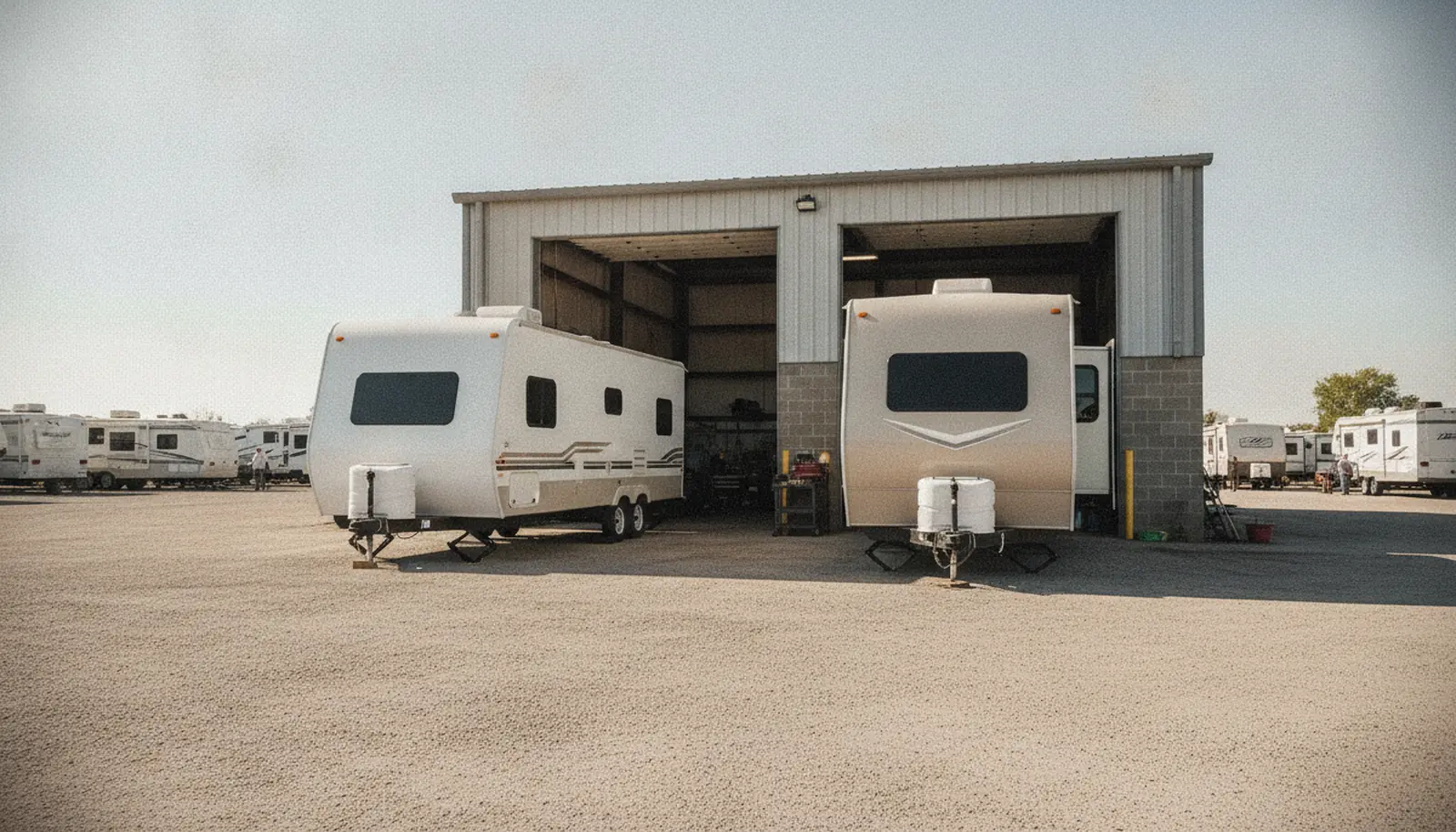
It was a Wednesday in late June and the service desk phone had not stopped ringing since 8 a.m. A couple from Clearwater stood at the counter with a fifth wheel, slide stuck halfway out, and the first open bay at RV repair shops in Tampa was twenty-three days out. I wrote them on the schedule, glanced at the labor rate on my screen, and said the diagnostic fee was one hundred fifty dollars. The wife made the same face everybody makes when the real number lands. Fair enough. Twelve years at that counter taught me when a dealer is your only smart play, and when you should call one of the independent RV repair shops in Tampa instead.
How I compare shops before I take my trailer anywhere
When my own 26-foot travel trailer needs work, I call two places for the same job. I want a written estimate with labor hours, part numbers, and the diagnostic fee on paper. I ask how many rigs sit outside waiting for a bay. I ask when storage fees start.
In Florida, RV repair shops book out weeks in spring. Some dealer departments I know run a month or more behind, and they push warranty work and rigs they sold straight to the front of the line. Independent shops around Tampa often have a bay open sooner. A mobile RV repair tech in Tampa meets me at the storage lot for less then hitching up and towing it in.
If the rooftop AC won’t cool, I call an RV AC repair shop in Tampa and ask for a ballpark on the start capacitor and a full new unit, installed. Last spring my awning fabric tore. Same conversation with an RV awning repair shop in Tampa saved me two weeks of sitting around. For dead batteries and a furnace that refused to light, the RV electrical repair shops in Tampa told me exactly what thier diagnostic would cover before they ever touched it.
RV service and repair: what a dealer does better
A dealer earns the labor rate when the failure is model-specific or still under factory warranty. The manufacturor usually pays the claim, but only if the dealer follows the diagnostic tree and parts list exactly, and you should check your policy or contract. A dealer also has factory technical service bulletins and can chase down a control board that would leave me waiting on a third-party supplier.
Recalls are dealer work. Any RV still under warranty usually goes to the dealer, but check your policy or contract.
Dealers have tall bays for a Class A or a big fifth wheel, plus body and chassis work most independent RV shops cant touch. Roof off, slide room out? The dealer has the lifts and the factory manuals. But for everything else, the independent shop starts looking better fast.
What an independent shop does better
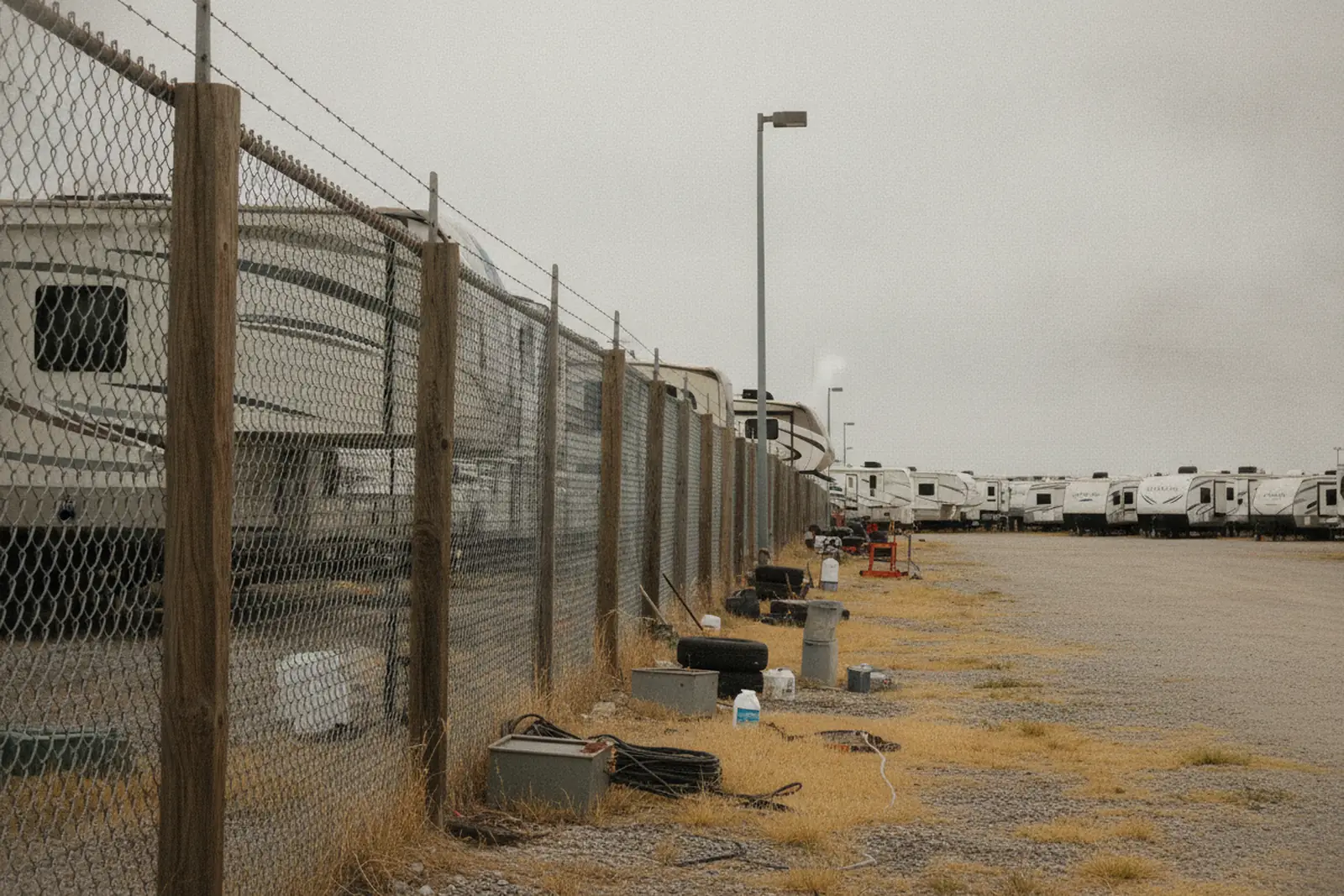
An independent shop usually runs a few dollars under the dealer’s labor rate, sometimes ten to twenty an hour. My favorite independent in Clearwater once talked me out of a new water heater with one sentence: Your element is burned out because the tank was empty and the switch was on. Forty-dollar part.
For an out-of-warranty rig, a good independent doesn’t care how old it is. They’ll swap a 12-volt converter, reseal a roof, pack bearings, rebuild a slide mechanism, and never look twice at the brand sticker on the side.
Mobile techs are the third lane. They come to you. For my slide-out motor, the trip charge plus labor came in cheaper than five days of towing and shop storage. Now for the side-by-side numbers.
Dealer vs independent shop: the honest comparison
This is what I saw across twelve years of work orders, no hedging.
| What you’re comparing | Dealer service department | Independent RV shop | Mobile RV tech |
|---|---|---|---|
| Typical labor rate | $130 to $180 per hour | $100 to $160 per hour | Trip fee plus $100 to $175 per hour |
| Peak season wait | Often 3 to 6 weeks | Often 1 to 3 weeks | Days to 2 weeks |
| Warranty and recall work | Yes, and it gets priority | Usually no, but some do extended service contracts | Rarely |
| Parts access | Factory parts, longer wait for back orders | Mix of factory and aftermarket | Common parts on the truck, others ordered |
| Tall bay for big rigs | Usually yes | Sometimes | Not applicable |
| Chassis, body, paint | Often yes | Usually no | No |
| Who gets priority | Warranty and units sold there first | First come, first served, but regulars know | First come, first served |
| Communication | Service writer as middleman | Direct with the tech | Direct with the tech |
A dealer usually fixes your warranty, but check your policy or contract. An independent fixes an older rig for less, faster. A mobile tech keeps you on the campsite and out of a waiting room. The right choice only matters if you can trust the shop behind it.
Red flags at any shop, dealer or independent
A verbal estimate is the first red flag. I’ve watched a one-line phone quote turn into a four-page invoice because nobody wrote down plus parts and shop supplies.
A shop that wont give your old parts back is another one. You should see the failed start capacitor, the burned-out element, the cracked seal. If they toss it before you pick up, how do you know it failed?
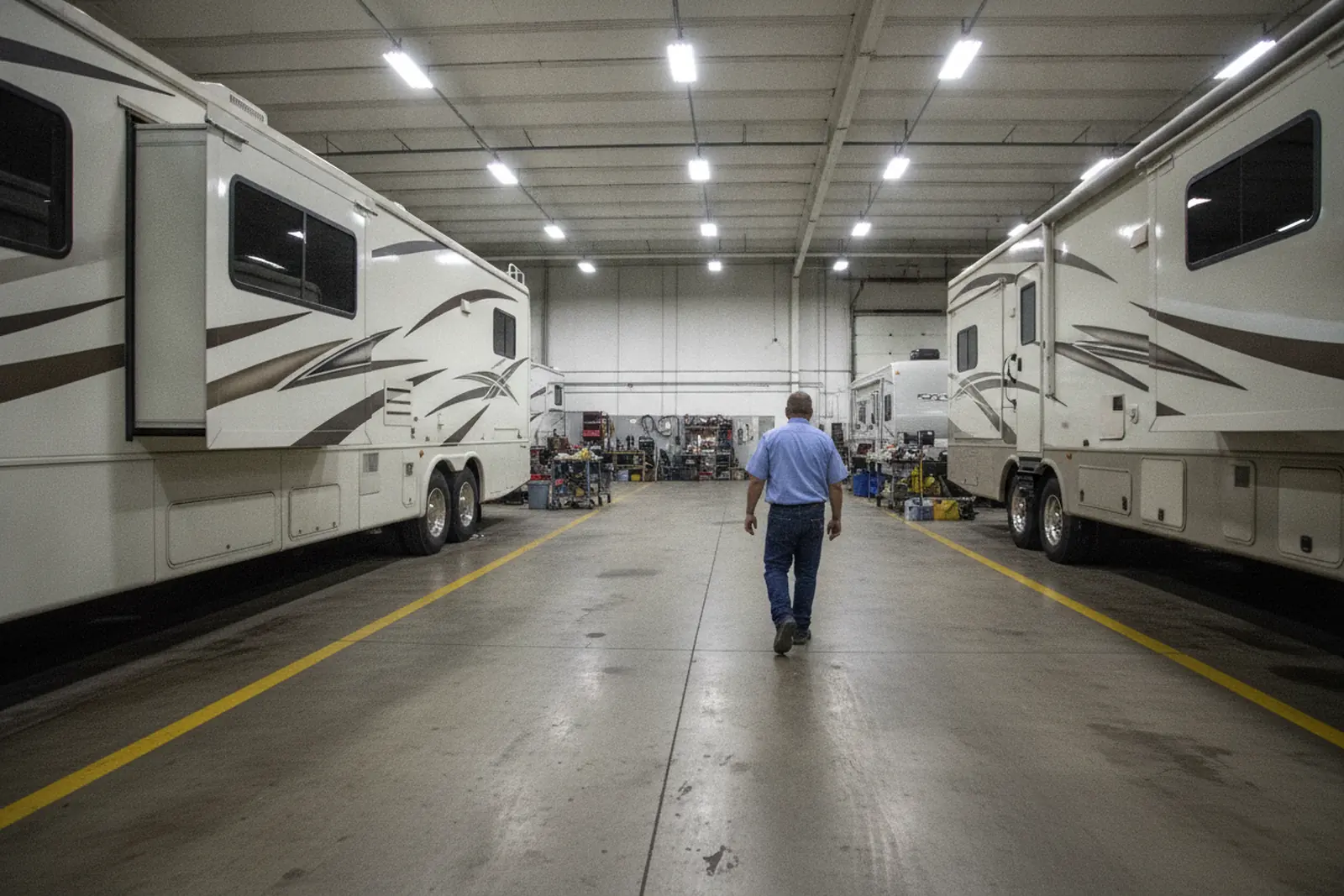
Ask about storage fees. I’ve seen a rig sit three days after it was done because the custumer didn’t know the meter was running. Some shops start charging after 24 hours. More on what to ask in our post on 12 questions to ask an RV repair shop. None of these red flags matter more than when the roof is leaking.
I found this video that digs into the same question, and it’s worth a watch before you decide.
When the roof is the problem, your shop choice changes
Roof leaks send more rigs to the shop than anything else. Resealing the roof fixtures might run $300 to $1,000. A full membrane replacement on a 30-foot rig offen lands between $8,000 and $15,000 because the decking underneath is part of the job.
A dealer quotes the factory job and often wants to replace the whole roof. If you can see the leak from inside, read how to repair RV roof leaks yourself before you let anyone quote you. Roof work taught me where my loyalty sits.
My honest biases after twelve years at the dealer
I favor the place that fixes the problem without fixing things I never asked about. But we also had weeks where we took on too much work, lost track of rigs in the yard, and left customers on hold for half an hour.
That second part is why I won’t send my own trailer to a dealer once the warranty dies. For warranty and recall, nobody usually equals them, but check your policy or contract. For everything else, I want the independent shop where the tech remembers my name, and the mobile guy who texts me a photo of the failed sail switch before he replaces it.
Run the same test I do. Call one dealer and one independent for the same job. Ask for a written estimate with the diagnostic fee, labor hours, and parts list. The shop that hands all three over without a song and dance is the one that gets your keys. Here is the short version of that test.
The Saturday test that saves you a thousand dollars
This Saturday, call two shops about one job. A roof reseal, a water heater, a slide that sticks. Ask both places the same three questions: What’s your labor rate, what’s the diagnostic fee, and how many rigs are ahead of mine? Then ask for the estimate in writing. Twenty minutes of phone calls beats a year of reading forums.
My bet: on an out-of-warranty rig, the independent shop quotes ten to thirty percent less and gets you in sooner. On a warranty job, the dealer is usually the only call, but check your policy or contract. Either way, you now know what it should cost before you commit. Then look up RV repair shops near you and make the calls for your own rig.
More from the shop floor
FAQ
Should I take my RV to a dealer for ordinary maintenance like bearing repack or seal conditioning?
An independent shop or a mobile tech will usually do it for less and often faster. Dealers quote these as flat-rate menu items. My old dealership charged about $258 per axle for bearing repack, parts not included. A good independent around Tampa often does the same job for $180 to $250 per axle, parts not included. For warranty work or a model-specific electronics fault, the dealer is the right call.
How do I know if the shop is lying about the labor hours?
Ask for the flat-rate labor guide time for the job. Most shops use a standard guide book or software, and you can ask to see the entry. If the guide says 1.5 hours for a water heater element and they quote 3, ask why. Labor rates are not the same as labor hours. Get both in writing on the estimate.
Will a dealer work on an RV they didn't sell?
Almost all do, but you go to the back of the line behind warranty work and units they sold. That queue can add weeks in spring. Ask when you book: what is the wait for out-of-warranty versus warranty work? If they hedge, call an independent.
Are dealer parts really more expensive than independent shop parts?
Often yes, becuase dealers mark up the same factory part higher and use factory-only components. A common RV AC start capacitor that retails for $30 at an independent parts counter could show up at $50 on a dealer invoice, plus the dealer's labor rate. Ask for the part number and price it yourself before you approve the work.
My slide-out is stuck halfway out. Should I drive it to a dealer or call mobile repair?
If the slide is stuck and the coach is safe to tow, a dealer with a tall bay and factory diagrams is the safest choice, especially for rack-and-pinion or in-wall systems. But call a mobile tech first if you are at a campground. Many slide failures are low 12-volt voltage or a burned motor, and a mobile tech can fix those on-site for less than towing.
Do I really need a written estimate, or is a text message good enough?
A text message with the labor hours, parts list, diagnostic fee and shop supplies is a writing you can hold them to. Better is a signed work order. Many states have auto-repair consumer rules about written estimates, but rules vary by state. Always get the numbers written down before you authorize the first hour of diagnosis.
What is the biggest cost trap at a dealer service department?
Storage fees that start the day the rig is ready and you have not picked it up. I have seen bills add a hundred dollars for two nights of lot storage. Ask before you drop off: when does storage begin? Do you charge from the day you finish or the day you call me? Get the answer on the work order.
Find RV repair near you
Compare RV service centers and mobile techs in your city, then ask a few for a quote on the job.
Browse by stateOr jump to: Billings, MT · Ocala, FL · Bakersfield, CA