RV Furnace Repair: Blower Runs But No Heat, Now What
By Gus Amundsen · October 12, 2026
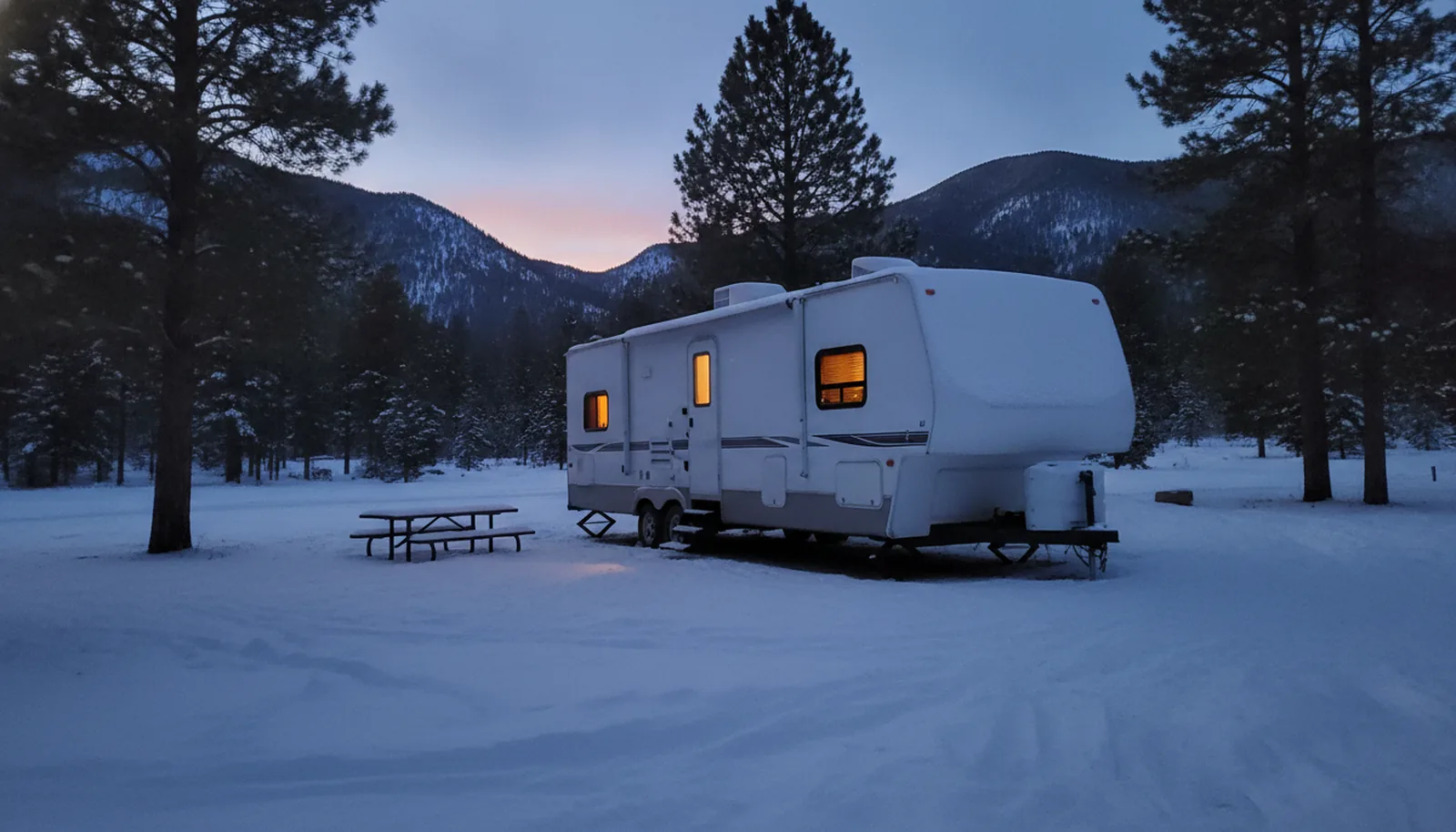
My furnace quit on a 14-degree October night near Leadville, Colorado, two Octobers ago. I had to call one of the mobile RV repair techs in Denver the next morning because I was out of ideas at midnight. Battery showed 11.8 volts after a full day of boondocking, and the blower spun so slow it never closed the sail switch. Three lockouts later I was under the bunk with a multimeter and a headlamp. That night taught me the first rule of RV furnace repair: check 12-volt voltage before anything else, even before you pull the thermostat off the wall.
I call it the Frozen Sequence, because it happens when the furnace is cold and you are too. Blower spins, nothing clicks, and the board gives up because one small switch never closed.
RV furnace repair: the starting sequence, and what it tells you
Every RV propane furnace follows the same choreography, and knowing it tells you exactly where yours died. Thermostat calls for heat, the 12-volt blower fires first. A sail switch sitting in the air stream has to close once airflow is strong enough. That tells the control board it’s safe to open the gas valve and spark the igniter. Most boards try three times, then lock out if they don’t sense flame.
So when the blower runs but you get no heat, the sequence died somewhere after the blower. Most of the time it never got past the sail switch.
Here’s the order I check things, every single time:
- Battery voltage at the furnace, under load
- Sail switch continuity and blade movement
- Limit switch reset state
- Igniter spark and board output
- Propane pressure and gas valve
That order saves time. Most no-heat calls are a low battery or a sail switch that never closed. The burner never even saw gas.
Low 12-volt voltage: the most common kill
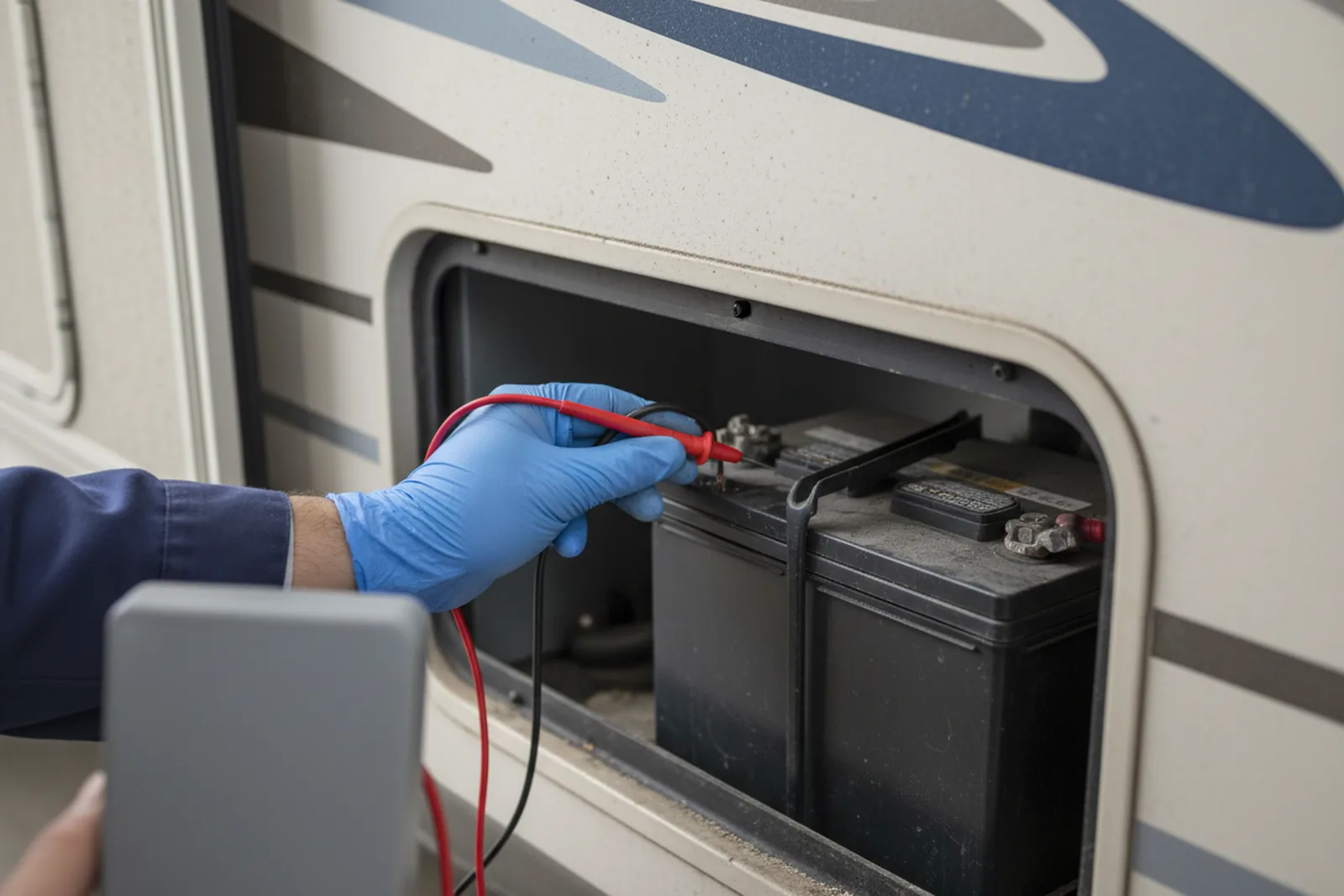
A propane furnace is a 12-volt appliance, and low voltage is the most common reason it won’t light. The blower motor needs every bit of voltage to spin fast enough to close the sail switch. A resting battery at 12.2 volts is already half charged. Under the blower’s load, it can sag below 12.0 or 11.8. That’s exactly what happened at Leadville.
Check voltage at the furnace terminals while the blower is actually running. If you see under 12.0 volts, charge the battery or fire up the generator and try again. If the generator won’t start, our post on RV generator repair covers the usual reasons. Check your battery connections and the grounds while you’re at it.
My rule: if the battery needs a charge, the furnace gets a charge first.
Propane and air in the line after a refill
If the sail switch closes and the board actualy tries to light, the next suspect is propane. An empty tank is obvious, but a tank that was just refilled can have air trapped in the line between the tank and the furnace. The burner won’t light untill that air gets purged.
Fastest purge is the stove. Light a stove burner and let it run until the flame runs steady, usually 30 seconds to a minute. Then try the furnace.
Check the regulator and every connection with soapy water. Never use a flame to check for leaks. If the furnace vents outside but you still smell propane inside, shut the tank and call a tech.
Sail switch, limit switch, and blocked vents
The sail switch is the next thing I pull when voltage and propane are good. It’s a thin metal vane sitting in the blower’s air stream. Dust, pet hair, or a bent blade keeps it from closing. Pull the furnace access cover, find the sail switch next to the blower housing, and take a look.
The limit switch is a thermal disk that opens if the furnace overheats. Blocked return air or closed floor registers will trip it.
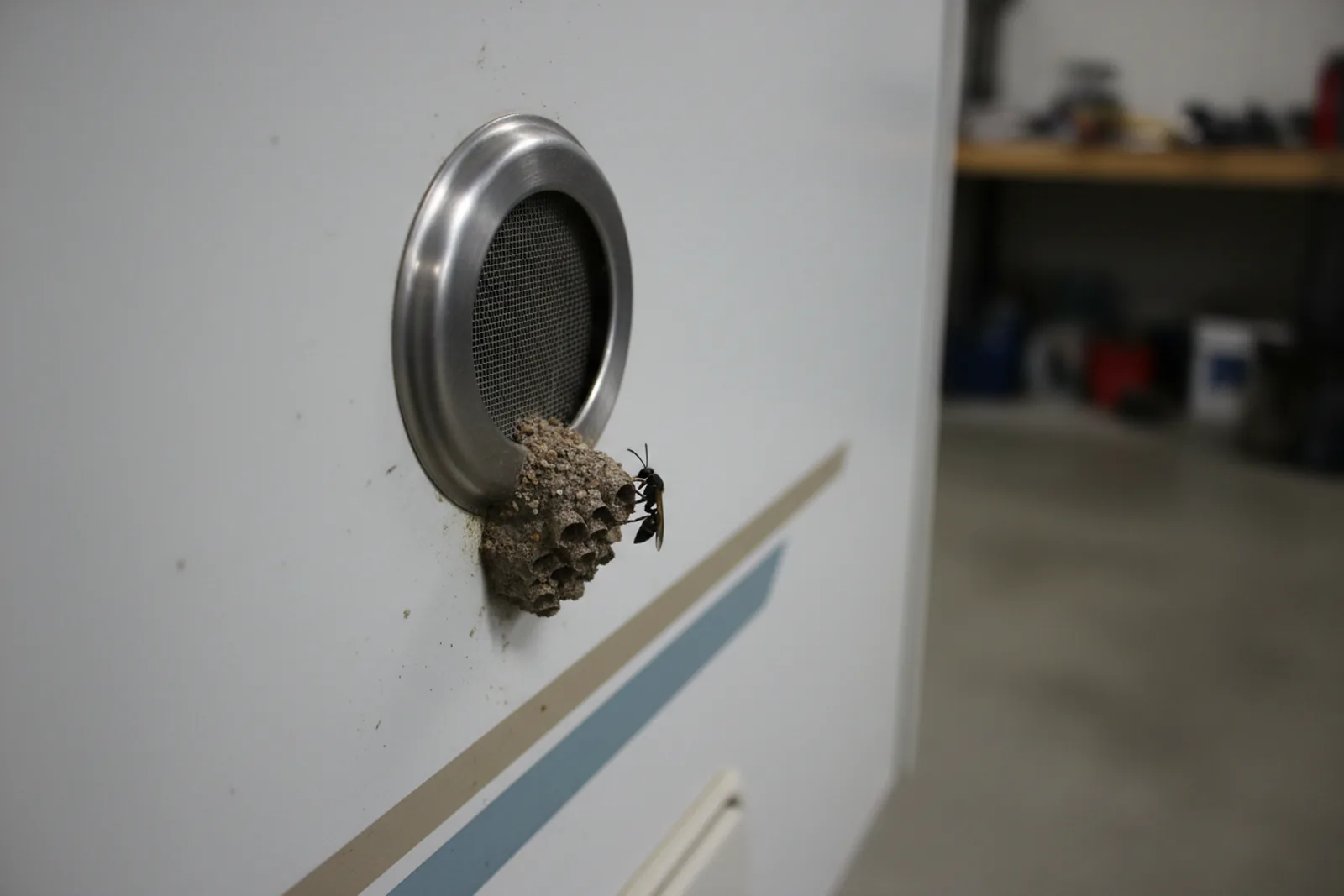
Check the exterior intake and exhaust vent for wasps, mud daubers, or snow. A blocked vent makes the furnace light briefly, then the flame sensor or limit switch kills it.
Symptom table:
| Symptom | Likely cause | DIY or tech | Cost range |
|---|---|---|---|
| Blower runs, no spark | Sail switch open, low voltage | DIY check | $0 to $50 for a sail switch |
| Spark, no flame | Propane empty or air in line, gas valve | DIY purge, tech for valve | $0 to purge, $100 to $300 for a valve |
| Flame for a second, then off | Flame sensor, limit switch, blocked vent | DIY clean vent, tech for sensor | $15 to $40 limit switch, $100 to $250 board |
| No blower at all | Blower motor, thermostat, fuse | DIY fuse, tech for motor | $5 fuse, $100 to $250 motor |
| Lockout after 3 tries | Ignition board, ground issue | Tech | $100 to $250 board part |
If your not comfortable pulling the furnace, a mobile tech can diagnose it in under an hour.
Ignition board, igniter, and thermostat
The control board is the brain, and when it dies you usually get no spark at all, or the board tries three times and locks out even with good propane and good airflow. It opens the gas valve and fires the igniter. A failed igniter often sparks at the wrong gap or not at all.
Boards fail from moisture, vibration, and age.
The thermostat is the easiest check. Jumper the two wires right at the furnace and see if the blower starts. If it does, the thermostat is the problem. A simple analog thermostat runs $20 to $50. A digital RV thermostat runs $50 to $150.
For deeper electrical issues or board replacement, a good RV repair shop in Colorado will bench test the board befor condemning it.
This video walks through the furnace troubleshooting process step by step and helped me understand the sequence better.
Safety: why I won’t heat a rig with the stove
Never use the stove or oven to heat an RV. They’re unvented in most layouts, and they put out carbon monoxide and moisture. The furnace is a sealed combustion unit that vents outside, but it only works right if the vent is clear and the heat exchanger isn’t cracked.
A working CO detector and LP leak detector are non-negotiable. I test mine every trip, and I replace them per thier expiration dates. CO detectors expire every 5 to 7 years. LP detectors too. Dead batteries don’t warn you.
If the furnace lights but you smell exhaust inside, shut it down and call a tech. A cracked heat exchanger can kill. Soapy water is the only thing I use to check propane connections. A flame is for lighting a pilot light only, and modern RV furnaces don’t have one.
When to call a tech, and what it should cost
You can fix a low battery in five minutes, but if the board is dead, the gas valve is suspect, or the furnace keeps locking out after you’ve checked the basics, stop and call someone who does this full time. You can clear a vent or purge the propane line in an afternoon.
A diagnostic fee at a shop runs $100 to $200, often credited to the repair. A mobile tech charges a trip fee of $75 to $200 plus hourly labor. Sail switch replacement usually runs $200 to $400 with labor. A new board might be $300 to $600 installed. A whole furnace replacement is $1,000 to $2,500 installed.
I once spent two hours tracing a no-heat call to a corroded ground on a buddy’s fifth wheel frame on a windy Tuesday. The fix was a 3-dollar ring terminal and some dielectric grease. The customer paid for diagnosis, not parts. That’s the value of an experienced tech. If you’ve done the basic checks and it’s still dead, haul it in or call a mobile tech. Ask for a written estimate before they start, and ask for the old parts back.
If your water heater is also flaky, see our post on RV water heater repair: find the fault before you buy a part. The same 12-volt voltage problems hit both appliances.
A 10-minute test for this weekend
Take a multimeter to your furnace compartment and you can find most no-heat problems before the next cold night. Set it to DC volts and probe the power wires at the furnace while the blower runs. Write down the number. If it’s under 12.0, charge the battery and test again. That one number will solve more no-heat nights then any part you can buy.
I’d also pull the outside vent cover and shine a light inside. Mud daubers love those little tubes. A six-dollar screen over the vent prevents a hundred-dollar no-heat call. If your furnace still won’t light after the purge, the voltage check, and the vent clean, call a mobile tech or a local RV repair shop. Ask for a written estimate before they touch it.
More from the shop floor
FAQ
Why does my RV furnace blower run but no heat?
The most common cause is low 12-volt voltage, which makes the blower spin to slowly to close the sail switch. Other causes include propane off or empty, air in the line after a refill, a blocked outside vent, a dirty sail switch, a tripped limit switch, or a failed ignition board or igniter.
How do I purge air from my RV propane lines?
Light a stove burner on high for about a minute until the flame runs steady. This purges air from the lines, including the branch that runs to the furnace. Then try the furnace again. If it still won't light, check the tank valve and regulator pressure.
What is a sail switch on an RV furnace?
A sail switch is a small metal vane that sits in the blower air stream. When the blower spins fast enough, the air pushes the sail and closes a microswitch. That tells the control board it's safe to open the gas valve. A dirty or bent sail switch won't close, so the furnace never tries to light.
How much does RV furnace repair cost?
A simple sail switch replacement from a mobile tech typically runs $200 to $500 including the trip fee and labor. A new ignition board can be $300 to $600 installed. A full furnace replacement runs $1,000 to $2,500 installed. Diagnostic fees alone are $100 to $200 at a shop.
Can low battery voltage cause my RV furnace not to light?
Yes. The furnace blower, sail switch, and control board all run on 12 volts. If voltage drops below abotu 12.0 under load, the blower may not spin fast enogh to close the sail switch, and the board will never open the gas valve. Charge the battery or run the generator and try again.
Is it safe to heat my RV with the stove?
No. Stove and oven burners are unvented and produce carbon monoxide and water vapor. Using them for heat can cause CO poisoning and moisture damage. The RV furnace is sealed combustion and vents outside. Always have working CO and LP detectors.
Why does my RV furnace light then shut off?
If the burner lights for a few seconds and then goes out, the flame sensor may be dirty or failing, the limit switch may be tripping from restricted airflow, or the outside vent may be blocked. Clean the vent and check for closed registers. A repeated short cycle often points to a faulty board or ignition probe.
Find RV repair near you
Compare RV service centers and mobile techs in your city, then ask a few for a quote on the job.
Browse by state