RV collision repair: how body shops estimate damage and timing
By Lorna Vick · October 29, 2026
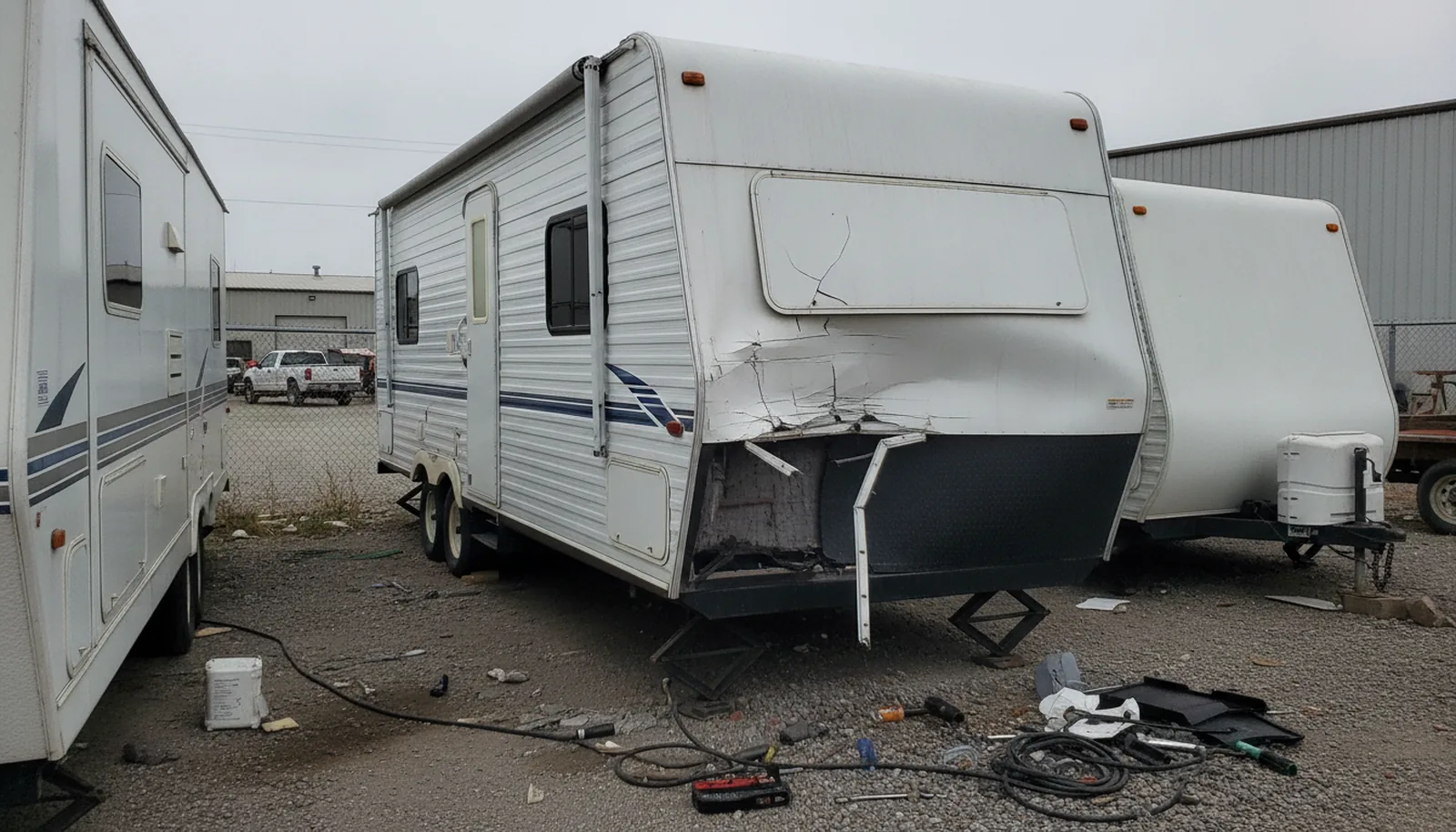
One Tuesday in May a customer pulled his fifth wheel into our service lot at RV repair shops in Tampa with the street-side front cap crushed from a guardrail kiss. We’re one of the many Florida RV repair shops that see this kind of damage. The estimate started at $11,400, and the rig sat in our back row for weeks waiting on one front cap from the manufacturer. I wrote the work order myself. It broke my heart every time he called, especially since his RV AC repair in Tampa was also on hold until we could get to it.
That’s RV collision repair in one scene. Shops like the RV repair shops in Tampa list near me quote off parts diagrams and labor guides, but nothing about the process is like car body work, and if you need mobile RV repair in Tampa, pricing gets even more variable. Slower, pricier, full of surprises.
So I’ll walk you through what’s actually being priced, why it takes so long, and what to ask so you don’t end up stranded under a blue tarp.
Why RV Collision Repair Is Different From Car Body Work
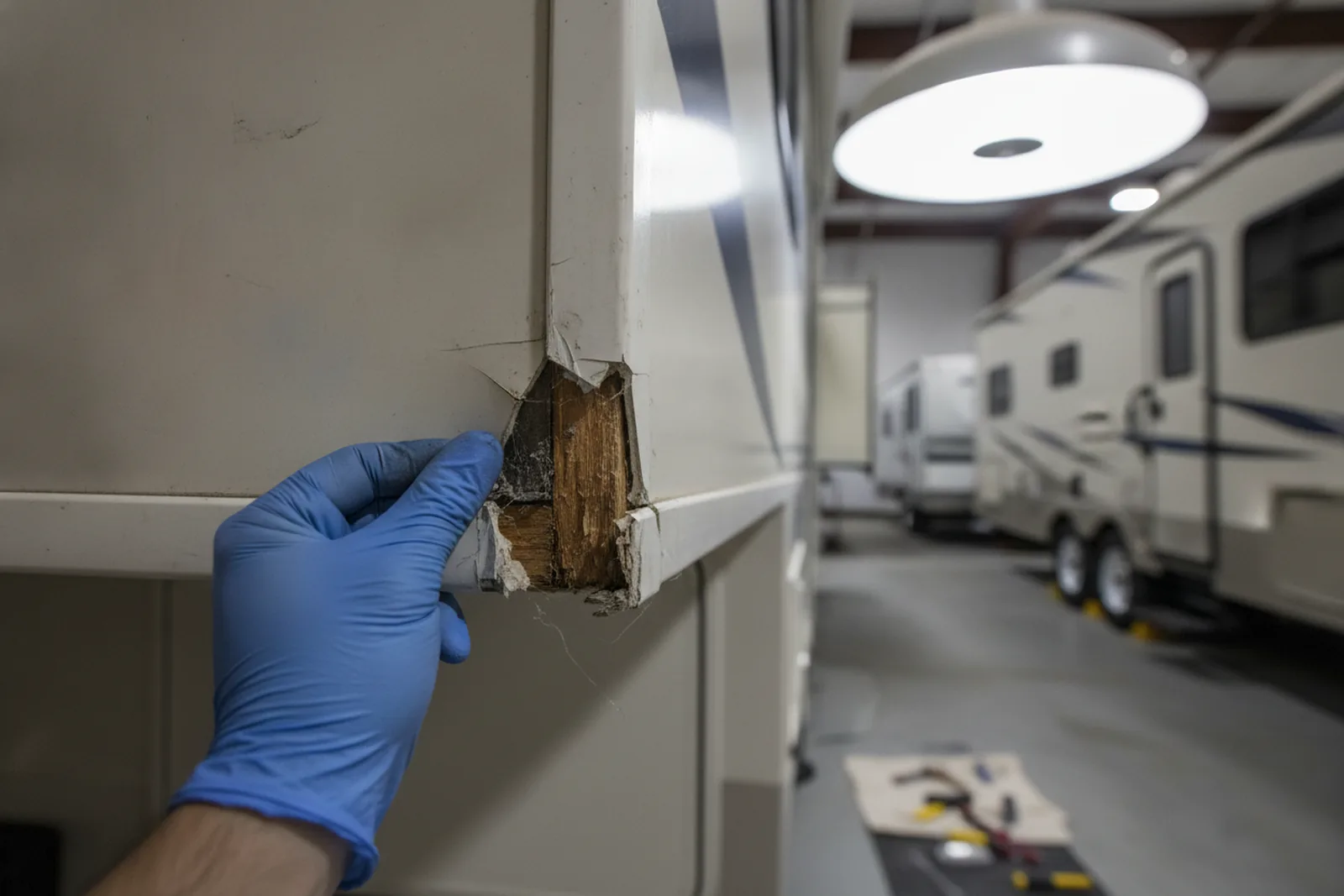
Your RV is a lamination of fiberglass, luan, aluminum framing, foam, and vinyl graphics all glued together. A fender bender that crushes a corner often hides damage behind the wall.
Collision shops order most structural parts directly from the RV manufacturer. There’s no aftermarket front cap for a 31-foot travel trailer. If the factory has none in stock, you wait. I’ve seen fiberglass caps take many weeks, and aluminum siding isn’t much faster.
For Florida owners, RV collision repair in Jacksonville or RV collision repair in Fort Myers both face the same parts pipeline. That’s why shopping by shop, not by city, matters.
Building the Estimate: Teardown, Supplements, and the Price You’ll Actually Pay
The first written estimate is a guess based on what’s visible. It will go up. I’ve never seen a collision estimate hold after teardown, not once.
When the shop opens up the wall or pulls the cap, they find hidden damage. Cracked framing. Water that got in behind a seal. A slide-out tray that shifted. Each one means a supplement: more parts, more labor hours, another call to your insurer.
Expect the final bill to run higher then the original estimate, sometimes by a wide margin. Ask the shop to call before any work that pushes the total past a set dollar amount. Get it in writing.
Here’s a video showing the collision repair process from start to finish.
Insurance Steps and Your Right to Choose the Shop
Comprehensive and collision coverage usually pays for sudden, accidental damage, minus your deductible. Wear and tear, rot, and delamination from old leaks are typically excluded.
Take photos before anything gets moved. File the claim quickly. An adjuster may inspect at the shop or at your storage lot, or do a photo desk review. In most states you can choose the repair shop you want, but laws do vary, so check your policy and state rules.
I tell customers to get a written estimate from at least one independent shop before the adjuster writes theirs. You want your number in the file first.
The Real Timeline: Parts, Back Orders, and Storage Fees
A few weeks is quick for major body work, and longer waits are common. I once had a Class A windshield on order for weeks.
The parts shortage is the schedule killer. Fiberglass caps, sidewall panels, and custom windows are often made to order. Shops can’t start paint until the part arrives, and paint adds a week.
Ask about storage fees before you agree to wait. Some shops charge a daily storage fee after a grace period. Get the policy in writing. If the rig is towable and safe, you might keep it at home until parts land.
What to Ask a Body Shop Before You Sign
I keep a list taped to my desk. It works for any state.
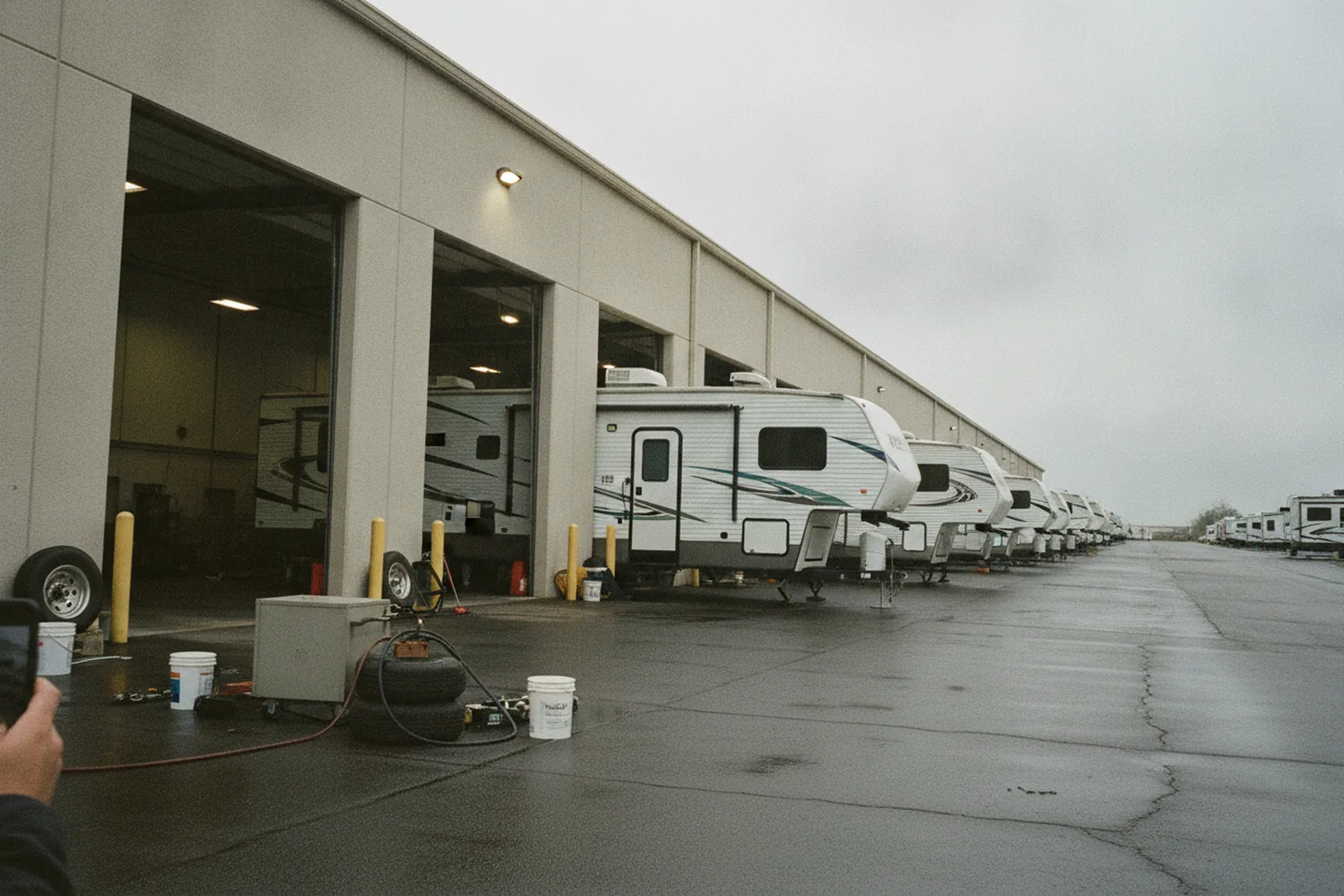
- Do you have a bay tall and long enough for my rig, and will it stay inside the whole repair?
- What’s your shop rate? Do you bill flat rate or actual hours?
- Will you give a written estimate and call before any work over that amount?
- What’s your parts warranty on paint and on resealed seams?
- If my insurance sends a check to me, when do you need it?
- Are you certified for RV body work? RVTI certs are a plus, not a promise.
Walk away from any shop that won’t put answers in writing. I’ve seen a handshake deal leave an owner paying thousands in surprise storage fees.
Hidden Damage: What Shows Up Weeks Later
Water is the big one. A few weeks after a rear corner repair, water can start showing up at the ceiling line. That means a seal failed because the body flexed. The shop didn’t reseal around the cap or the window, or the roof membrane tore loose at a seam.
Photograph everything before and after. Demand resealing be listed on the work order as a line item, not lumped into ‘misc.’ If water appears, you need proof it wasn’t you.
For roof damage, one of my own rigs needed a perimeter reseal after a branch hit the awning arm. I’m glad I’d read our post on how to repair RV roof leaks yourself before I called the tech. It saved me half the diagnosis.
Mobile Techs, Adjacent Repairs, and What a Body Shop Won’t Touch
A body shop fixes the shell. They won’t always chase an electrical gremlin in the slide motor or a dead rooftop AC that got shaken loose in the crash. Those are separate work orders.
Some owners pull the rig home after body work and call a mobile RV repair in Tampa tech for follow-ups. A mobile tech can fix a bent awning arm, a cracked AC shroud, or a slide seal without making you tow.
If the collision involved a damaged rooftop AC, check out our post on RV AC repair to understand what’s likely broken before the body shop hands you a separate estimate. That saved a customer of mine a good chunk of money once, and it’s the reason I keep that link in my phone.
Two Estimates, Then a Hard Decision
I’d do it differently now. I’d never let a shop start teardown without a written supplement policy and a storage-fee cap in my hand. Those two items cause more bad blood than the collision itself.
This weekend, pull up RV repair shops across Florida and find two shops that list collision or body work. Ask each for a written estimate on your specific damage, even if the rig still moves. Then compare not the bottom line, but how they handle the questions above.
The lowest estimate usually isn’t the fastest. The fastest often hides fees. Pick the shop that writes the clearest work order, becuase that’s the one that will call before the bill doubles.
By the way, that customer with the crushed fifth wheel cap? We resealed every seam on his cap for free because he’d documented everything. He wrote me a thank-you note in October, and I still keep it in my desk drawer.
If you’re still deciding
FAQ
Does my RV insurance cover collision repair?
Usually, yes, under comprehensive and collision coverage. That covers sudden, accidental damage like a crash, hail, a fallen limb, or wind tearing an awning, minus your deductible. It typically excludes long-term water damage, rot, delamination, and mechanical breakdown. Check your policy and state rules before signing anything.
Can I choose my own body shop?
In most states, yes. Your insurer can recommend a shop but cannot force you to use it. State laws vary, and some policies have preferred-shop clauses that reduce your deductible if you use thier network. Verify your state's consumer rules and read your policy's repair provisions before the adjuster visit.
Why does RV collision repair take so long?
Structural parts like fiberglass caps, sidewall panels, and custom windows are often made to order by the RV manufacturor. There's little aftermarket support. A single back-ordered part can stall the whole job. Add insurance supplements after teardown, paint cure time, and shop backlog,and six to ten weeks is common.
What are storage fees while my RV waits for parts?
Most shops start charging a daily storage rate if the rig remains after the repair is complete, but some charge while waiting on parts. Typical rates vary, so get the policy in writing. Get the policy in writing before the work order is signed. If the rig is road-safe, consider taking it home until parts arrive.
What hidden damage should I look for after a collision repair?
Water intrusion is the big one, from failed seals around the repaired area, windows, or roof seams. Also watch for slide alignment issues if the crash involved structural twist. Photograph evry seam and joint after the repair, then re-inspect after the first hard rain. Report any leaks immediately to the shop and insurer.
Should I call a mobile RV tech for collision damage?
Not for structural body work. Collision repair needs a shop with a tall bay, heavy tools, and often a lift. A mobile tech can handle follow-up items like a bent awning arm, a cracked AC shroud, a slide seal, or an electrical short near the impact zone. Many owners get the shell fixed at a shop, then book a a mobile tech for the small stuff.
Do I need a specialty RV body shop or will a car shop work?
A car body shop cannot handle a travel trailer or motorhome in most cases. They lack tall bay doors, the ability to lift a heavy coach, and access to RV structural parts. You need a shop that has specific RV experiance, works with RV manufacturers for parts, and can pull walls or caps in a covered bay.
Find RV repair near you
Compare RV service centers and mobile techs in your city, then ask a few for a quote on the job.
Browse by stateOr jump to: RV collision & body repair · Phoenix, AZ · Oklahoma City, OK · Las Vegas, NV